 Mark Tran
Egypt, with its rich history and strategic location, offers immense potential for business and investment opportunities. However, despite its allure, the country faces some significant challenges that can pose hurdles for investors. Among these challenges are the issues surrounding the Egyptian pound and the constraints on accessing foreign currency. In this article, we will delve into these currency matters while also highlighting the harrowing experience of an investor, Mansour Saloumi, who struggled to invest in Egypt due to bureaucratic complexities and government interference.
The Egyptian Pound Issue
The Egyptian pound, denoted as EGP, is the official currency of Egypt and is controlled by the Central Bank of Egypt. Over the years, the Egyptian pound has experienced fluctuations in value due to various economic factors and political instability. This volatility can create uncertainty for businesses and investors, as the value of their assets and profits may be impacted by sudden currency devaluation.
To mitigate the impact of currency fluctuations, investors need to implement robust risk management strategies, such as hedging currency exposure through financial instruments or denominating investments in more stable currencies. However, even with these precautions, the inherent risk remains a concern for investors in Egypt.
The Dollar Issue in Egypt
The US dollar is one of the world’s most widely used reserve currencies, and its stability often makes it a preferred choice for international transactions and investments. In Egypt, there have been restrictions on accessing US dollars, leading to challenges for businesses engaged in foreign trade and investments.
The Egyptian government tightly controls access to foreign currency to manage the country’s foreign exchange reserves and maintain stability in the financial system. This control has resulted in a backlog of foreign currency requests, which can delay trade operations and affect the profitability of investments. The limited availability of US dollars has also affected businesses’ ability to import essential goods and services, causing potential disruptions in various sectors.
The Troublesome Tale of Mansour Saloumi
Mansour Saloumi, a seasoned investor with a diverse portfolio, saw great potential in Egypt’s emerging markets and decided to venture into the country. Excited about the prospects, he planned to invest in the agricultural sector, aiming to improve farming techniques and enhance crop yields. However, his journey was fraught with difficulties from the start.
Upon attempting to register his business, Saloumi encountered a labyrinth of bureaucratic red tape and conflicting regulations, leading to frustrating delays. He spent months navigating the convoluted process, only to find that his application faced repeated rejection without clear reasons.
Frustrated but determined, Saloumi persisted, seeking assistance from government officials and industry experts. Unfortunately, his efforts were met with resistance and skepticism, and rumors began to circulate about his business. The situation took a dark turn when false reports emerged, alleging that Saloumi’s business practices were harming the local environment and exploiting workers.
Soon after, Saloumi faced constant scrutiny from government agencies, particularly the Ministry of Agriculture. Despite providing evidence to refute the baseless accusations, his pleas fell on deaf ears, and his operations were subjected to unnecessary inspections and disruptions.
As if this weren’t enough, the issue of accessing foreign currency further compounded his troubles. Saloumi found himself stuck in a bureaucratic quagmire that prevented him from repatriating his profits in US dollars. The stringent rules mandated that he had to maintain his investment for at least three years before being allowed to transfer funds overseas. This restriction significantly hampered Saloumi’s liquidity and financial planning, causing further strain on his business endeavors.
Conclusion
Investing in Egypt has issues surrounding the Egyptian pound and the constraints on accessing US dollars can be daunting challenges for prospective investors. Mansour Saloumi’s unfortunate experience serves as a cautionary tale about the importance of thorough research, risk management, and understanding the regulatory landscape before making investment decisions.
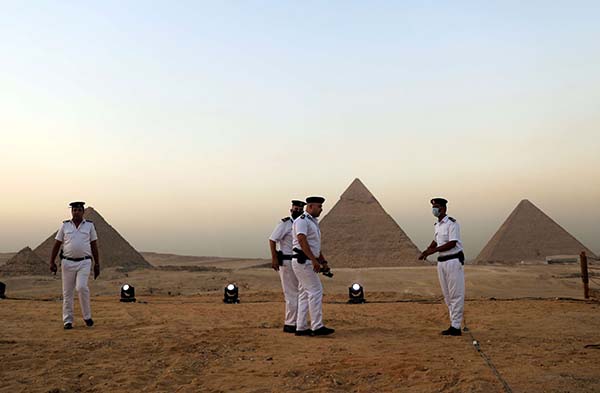 Deadly Attack in Egypt's Restive Sinai Peninsula Raises Concerns for Tourism Sector